
The global Ceramic Armor Market is estimated at USD 2.80 billion in 2025 and is projected to reach approximately USD 3.02 billion in 2026, according to a new market research study published by Acute Market Reports. Under the study's preliminary forecast scenario, the market is expected to register a compound annual growth rate (CAGR) of 7.4% from 2026 to 2034, reaching approximately USD 5.35 billion by 2034.
Growing investment in military modernization, increasing demand for lightweight ballistic protection, procurement of advanced body armor, and technological improvements in ceramic materials are expected to support industry development throughout the forecast period.
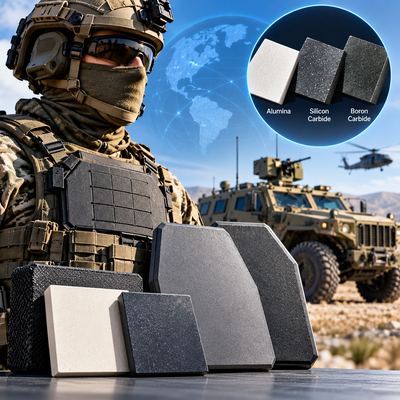
Ceramic armor is widely used in protective equipment designed to withstand specified ballistic threats and fragmentation. These engineered systems incorporate ceramic components into body armor, armored vehicles, aircraft protection equipment, naval platforms, and selected security applications.
Increasing emphasis on personnel safety, mobility, and weight-efficient protection is encouraging defense organizations to evaluate advanced ceramic-composite systems as alternatives to heavier conventional protective materials.
Increasing Military Modernization Programs Drive Ceramic Armor Market Growth
Military modernization represents one of the major factors supporting global ceramic armor market demand.
Defense organizations are investing in advanced protective equipment, armored vehicles, tactical mobility systems, and specialized military platforms to improve operational readiness and personnel protection.
The growing importance of soldier mobility and survivability is influencing purchasing decisions for body armor plates, protective inserts, and composite protection systems.
Compared with certain conventional metallic armor configurations, ceramic-composite systems can provide weight advantages while meeting specified protection requirements when appropriately engineered and tested.
Government procurement programs involving protective equipment replacement, armored vehicle upgrades, and defense infrastructure development are expected to generate continued demand for ceramic armor products.
Additionally, increasing attention to domestic defense manufacturing and supply-chain reliability is creating opportunities for specialized ceramic material manufacturers and qualified component suppliers.
Alumina Remains the Leading Ceramic Armor Material
Alumina represents an established leading material category within the ceramic armor market due to its comparatively affordable production costs, high hardness, and mature manufacturing processes.
Alumina-based ceramics are used in body armor plates, vehicle protective systems, and other applications where manufacturers must balance ballistic performance with procurement costs.
The material benefits from established production technologies and relatively broad availability, making it suitable for standardized protective equipment.
Although alumina has a higher density than some premium ceramic alternatives, its cost advantages continue to support demand across institutional purchasing programs.
Silicon carbide and boron carbide are gaining importance in applications where reduced equipment weight is a significant consideration.
These materials offer favorable combinations of hardness and low density, making them relevant to advanced personal protection, military vehicles, and specialized aerospace systems.
Continued research into material consistency, processing efficiency, and composite integration is expected to support further product development.
Lightweight Ballistic Protection Creates New Industry Opportunities
Demand for lightweight protective equipment is becoming increasingly important across military and law enforcement applications.
Heavy protective systems can affect personnel mobility, physical endurance, and the operating performance of vehicles and aircraft.
Manufacturers are therefore developing ceramic-composite armor solutions intended to provide specified protection while reducing unnecessary system weight.
Advanced ceramic plates are commonly integrated with engineered backing materials to create complete protective assemblies.
The final performance of these systems depends on material selection, structural design, manufacturing quality, and compliance with applicable testing standards.
Growing investment in lightweight materials, production automation, and manufacturing quality control is expected to strengthen opportunities for ceramic armor suppliers.
Product innovation is likely to focus on durability, reliable performance, improved production consistency, and reduced manufacturing costs.
Plates and Inserts Represent an Important Product Category
Plates and inserts represent a commercially important product category in the global ceramic armor market.
These products are widely used in protective equipment for military personnel, law enforcement officers, tactical teams, and specialized security applications.
Demand is supported by institutional equipment procurement, protective gear replacement, and changing requirements for mobility and operational comfort.
Ceramic armor plates are designed for use within complete body armor systems that meet specified protection requirements.
Manufacturers are investing in product quality, weight reduction, and improved compatibility with protective equipment.
Meanwhile, ceramic tiles and panels are increasingly relevant to modular armor systems used in vehicles and specialized military platforms.
Composite armor assemblies also represent an important area of development because they combine ceramic components with appropriate supporting materials to deliver integrated protective solutions.
Body Armor Applications Support Significant Market Demand
Body armor represents a major application segment within the ceramic armor industry.
Increasing demand for protective equipment among military organizations, law enforcement agencies, and specialized security personnel is supporting adoption.
Modern body armor procurement increasingly considers protection capability, product weight, comfort, durability, and certified performance.
Military organizations require protective equipment suitable for different operating environments while maintaining personnel mobility.
Vehicle armor is another important application, particularly in armored personnel carriers, tactical vehicles, and specialized transport platforms.
Ceramic protection systems may provide advantages where equipment weight influences vehicle mobility, payload capacity, and operational efficiency.
Additional applications include aircraft protection, marine armor, and selected infrastructure protection systems.
North America Maintains a Leading Regional Position
North America represents an established leading regional market for ceramic armor, supported by substantial defense procurement activity, advanced manufacturing capabilities, and continued investment in military protective equipment.
The United States remains an important source of demand through military modernization programs, personnel protection requirements, and armored platform upgrades.
Canada also offers opportunities associated with defense equipment replacement and specialized security applications.
Europe is expected to provide significant growth opportunities as regional defense organizations increase investment in modernization, military equipment, and protective technologies.
Germany, the United Kingdom, France, Italy, and Poland represent important markets for advanced defense materials and protective systems.
Growing attention to domestic defense manufacturing and regional supply-chain security may further support opportunities for qualified ceramic armor suppliers.
Asia-Pacific Offers Strong Long-Term Growth Potential
Asia-Pacific represents an important growth opportunity for the ceramic armor market, supported by expanding defense capabilities, government modernization programs, and increasing investment in advanced materials.
China, India, Japan, South Korea, and Australia are among the major markets contributing to regional demand for advanced protection technologies.
Investment in modern military equipment, vehicle upgrades, and domestic defense manufacturing could support the adoption of ceramic-composite protective systems.
Latin America is also expected to provide opportunities through military equipment replacement and law enforcement protection requirements.
In the Middle East and Africa, defense modernization programs and demand for specialized protective equipment are expected to support selected market opportunities.
However, regional adoption will depend on procurement budgets, local manufacturing capacity, technical requirements, and certification standards.
Competitive Landscape Focuses on Advanced Materials and Manufacturing Efficiency
The global ceramic armor industry includes advanced ceramic manufacturers, armor system developers, composite material suppliers, and specialized protective equipment producers.
Competition is primarily influenced by protection performance, product weight, material costs, manufacturing consistency, certification capabilities, and delivery reliability.
Manufacturers are investing in advanced alumina formulations, silicon carbide, boron carbide, and integrated composite technologies to address changing customer requirements.
Strategic partnerships between ceramic producers, protection system manufacturers, and defense equipment integrators may support the development of complete armor assemblies.
Companies capable of maintaining reliable production quality, meeting institutional procurement specifications, and managing manufacturing costs are expected to benefit from long-term purchasing opportunities.
High Manufacturing Costs and Certification Requirements Remain Key Challenges
Despite favorable market prospects, high manufacturing costs remain a significant challenge for ceramic armor producers.
Premium ceramic materials require specialized processing, strict quality controls, and comprehensive testing to meet demanding protective equipment requirements.
Material brittleness also creates engineering challenges, making appropriate backing structures and system-level design essential.
Lengthy defense procurement procedures, equipment qualification requirements, and variations in government budgets can affect purchasing schedules.
Manufacturers are responding through investments in production automation, improved processing techniques, and supply-chain management.
These developments could help reduce costs and improve product availability over the longer term.
Ceramic Armor Market Outlook, 2026–2034
The ceramic armor market is expected to experience sustained development as military and security organizations continue prioritizing lightweight protection, equipment modernization, and advanced material performance.
Demand for alumina-based protection is likely to remain significant, while silicon carbide, boron carbide, and composite systems offer opportunities in specialized applications requiring improved weight efficiency.
Increasing procurement of body armor plates, modular vehicle protection systems, and advanced military equipment is expected to support commercial opportunities.
According to the preliminary forecast published by Acute Market Reports, the global ceramic armor market could reach approximately USD 5.35 billion by 2034, representing a 7.4% CAGR during 2026–2034.
Continued progress in manufacturing technology, product testing, material innovation, and production efficiency will be important factors influencing the industry's long-term growth.